Everything you need to visit the Liberty Bell in Philadelphia: it's free, no ticket required, plus the story of the crack, security, and hours.
The Liberty Bell is one of the few genuinely famous objects you can see for free and without any ticket. It sits in the Liberty Bell Center on Market Street in Philadelphia's Old City, between 5th and 6th, directly across from Independence Hall. Millions file past it every year to read the crack, the inscription, and the story that turned a cracked colonial bell into a worldwide symbol of freedom. This guide covers how to visit in 2026: whether you need tickets (you don't), how security works, what's inside, the story of the crack, and how to pair it with Independence Hall in one morning.
Do you need a ticket for the Liberty Bell?
No. Admission to the Liberty Bell is completely free, and unlike Independence Hall, you don't need a timed ticket or reservation of any kind. Just walk up during open hours and get in line. The Liberty Bell Center is run by the National Park Service as part of Independence National Historical Park, open year-round, typically 9 a.m. to 5 p.m. daily, with extended summer hours around July 4th. It's one of the best free things to do in Philadelphia and the natural companion to Independence Hall across the street.
The security screening
Because it's a federal site, everyone passes through a short airport-style security screening: bags on a belt, walk through a metal detector, no lengthy pat-downs. It's quick when the line is short and slow when a tour bus has just unloaded. To move faster, travel light and have your bag open and ready. The screening is the main bottleneck, not the bell, so timing your arrival matters most.
Inside the Liberty Bell Center
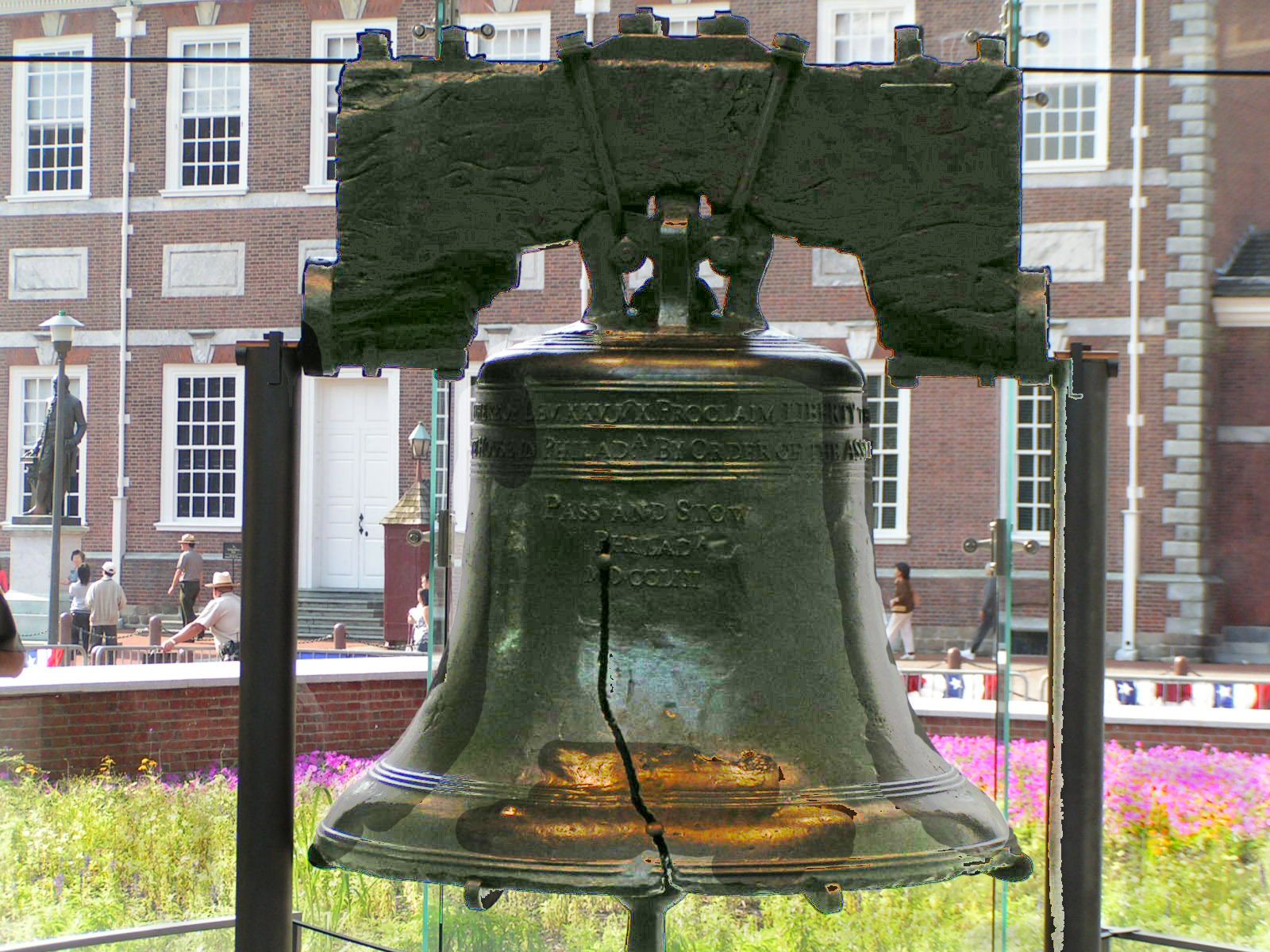
The center is a long glass building, and the walk to the bell is part of the experience. You pass exhibits tracing the bell's journey: its origins as the Pennsylvania State House bell, how abolitionists in the 1830s renamed it the "Liberty Bell," and how later civil-rights and suffrage movements borrowed its image and words. Photos, timelines, and short films line the corridor. At the far end, framed by a wall of glass with Independence Hall standing directly behind it, is the bell itself. That view, the cracked bell in the foreground and the redbrick tower just beyond, is the photograph everyone comes for.
The story of the crack
The real history is messier than the legends. The bell was cast in London in 1752, cracked on its very first test ring in Philadelphia, and was recast twice by local founders John Pass and John Stow, whose names appear on it. The large crack you see today widened in the early 1800s. By the bell's last confirmed ringing, tied to George Washington's birthday in 1846, the damage had grown so severe that it fell silent for good and hasn't been rung since. The crack isn't one dramatic moment; it's the slow story of a working bell that gave out.
The inscription and what it means
Around the top of the bell runs a line from the Bible, Leviticus 25:10: "Proclaim LIBERTY throughout all the Land unto all the Inhabitants thereof." When the Pennsylvania Assembly ordered the bell in the early 1750s, that verse was simply a fitting motto, but its meaning grew. Before the Civil War, abolitionists seized on those exact words, liberty for *all* the inhabitants, and turned the bell into a rallying image against slavery. That's the deeper reason it matters: it became a shared symbol for people demanding freedoms the founders hadn't extended to everyone, from enslaved Americans to women seeking the vote.
Best times to beat the lines
Crowds follow a predictable rhythm. Weekday mornings right at 9 a.m. are the quietest, and the last hour before closing is a close second. The busiest stretches are late-spring school field-trip season in April and May, summer, and the days around July 4th. If you're also touring Independence Hall, remember that entry there requires a free, timed ticket from Recreation.gov that can sell out in peak season. Our reserved Independence Hall ticket package locks in a guaranteed entry time and ranger-led tour, plus a Liberty Bell visit, a walking map, and a Founding Fathers guidebook. For how the two differ, see Independence Hall vs. the Liberty Bell.
Seeing the bell for free at night
Here's a tip most visitors miss: you can see the Liberty Bell after hours without going through security. The center's glass wall faces the street, and the bell is lit at night, so you can walk up on the Market Street side and view it through the window even when the building is closed. It's a quiet, uncrowded option if your daytime schedule is packed.
Pairing the bell with Independence Hall
The two sit directly across from each other, so seeing both in one visit is effortless; the walk between them takes about two minutes. A smart plan is to visit the bell first thing when the security line is short, then cross to Independence Hall for your timed tour, since the hall runs on scheduled entry and the bell does not. Both anchor Philadelphia's Historic District, which packs Congress Hall, Franklin Court, and Christ Church into a few walkable blocks. To build your day around them, follow our one-day historic district itinerary or our roundup of Old City's historic sites.
The bottom line: the Liberty Bell is free, ticket-free, and takes as little as twenty minutes, one of the easiest and most meaningful stops in Philadelphia. Come early or right at closing, and keep your bag light for security. If you're seeing Independence Hall the same day, lock in your entry time ahead so a sold-out reservation doesn't derail the morning.
Frequently asked questions
Do you need tickets to see the Liberty Bell?+
Why is the Liberty Bell cracked?+
What does the Liberty Bell inscription say?+
How long does it take to visit the Liberty Bell?+
Book this experience
Stand where it happened.
Reserved Independence Hall entry, a ranger-led Assembly Room tour, the Liberty Bell and a self-guided map to 25+ historic sites — book online with instant confirmation.
Book Independence Hall tickets →