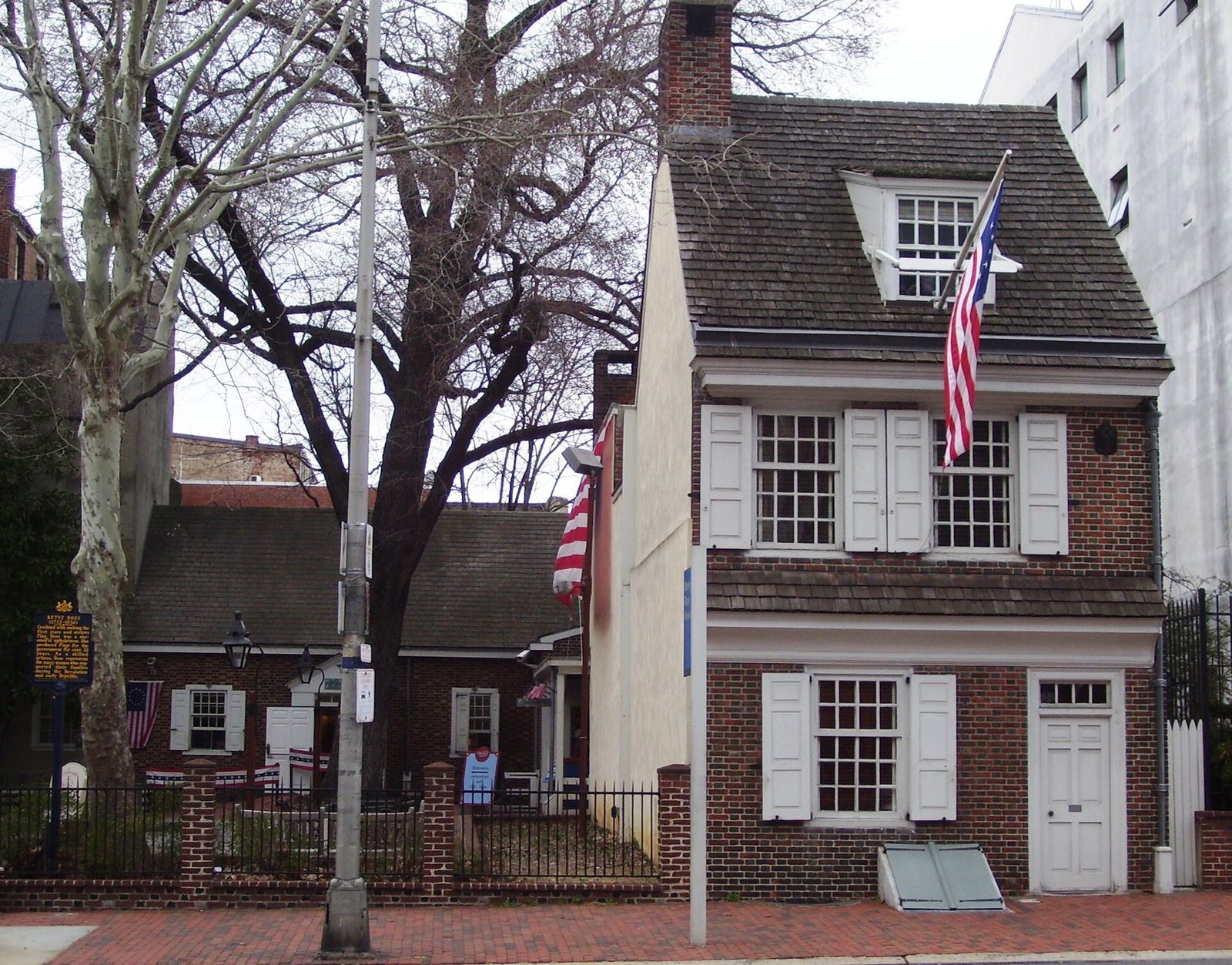
Visit the Betsy Ross House at 239 Arch Street, the reputed home of Philadelphia's famous flag-maker, and get the true story behind the first Stars and Stripes.
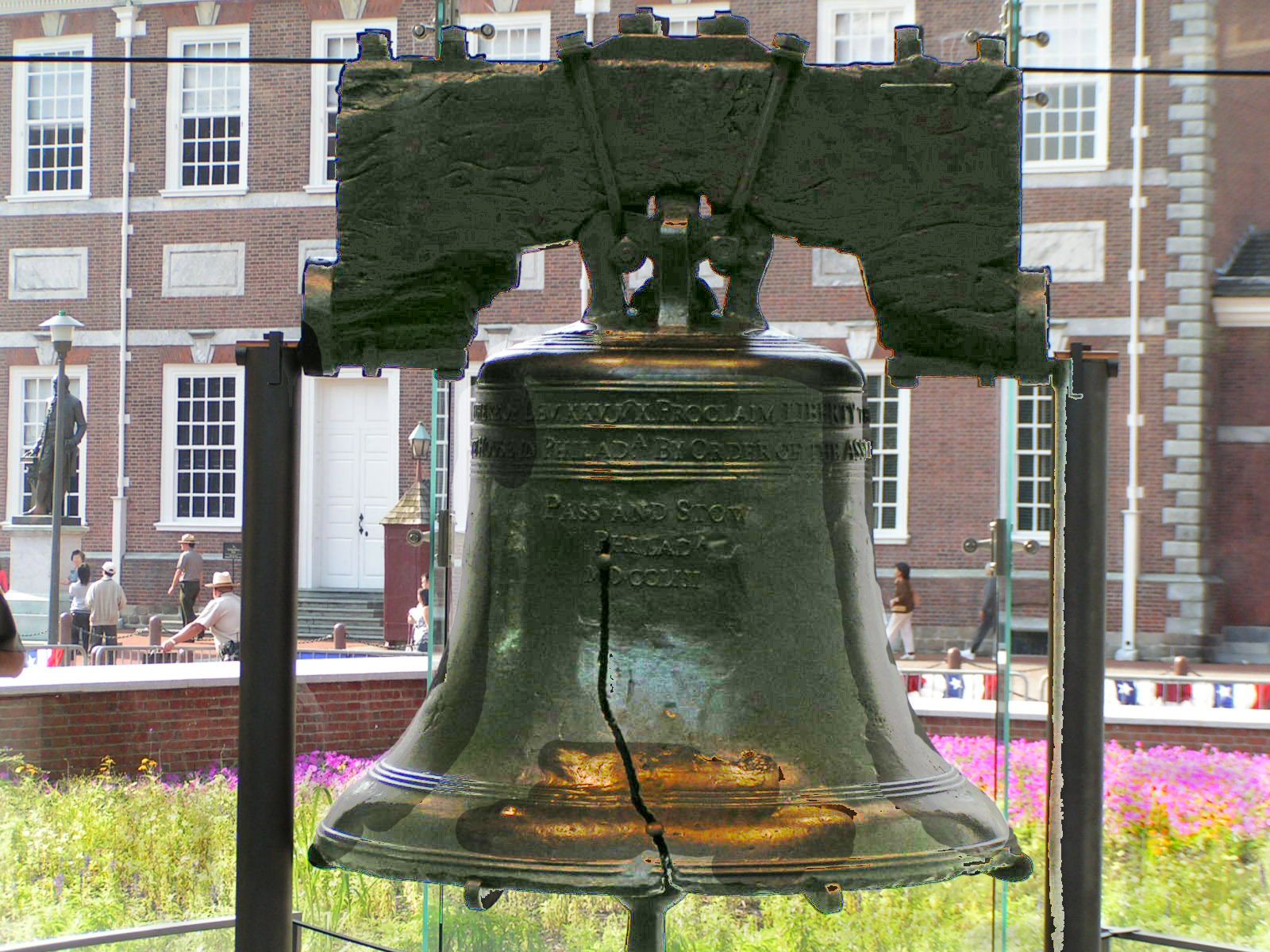
A few blocks north of the Liberty Bell, on a narrow Old City street, stands a small brick house where, as the story goes, the first American flag was sewn. The Betsy Ross House at 239 Arch Street is one of Philadelphia's most visited historic homes and one of its most debated. The woman it honors was real: Betsy Ross was a working Philadelphia upholsterer and flag-maker during the Revolution. The famous tale of her stitching the first Stars and Stripes is harder to pin down. This guide covers what you'll actually see inside, what the history does and doesn't support, how much time and money to set aside, and how the house fits into a day exploring the Historic District.
Who Was Betsy Ross?
Born Elizabeth Griscom in 1752, Betsy Ross grew up in a large Quaker family and trained as an upholsterer, a trade that in the 1700s covered far more than furniture. Upholsterers stitched bed hangings, chair cushions, window blinds, tents, and flags. After her first husband, John Ross, died during the Revolution, she kept the business running on her own, remarrying twice and outliving both later husbands. One record from the period is solid: the Pennsylvania State Navy Board paid Betsy Ross in 1777 for making ship's colors, so she genuinely worked in the flag-making trade. That much is real history, whatever you make of the more famous legend.
The Legend of the First Flag, and What Historians Say
The story most people know comes from a single source. In 1870, Betsy Ross's grandson, William Canby, told the Historical Society of Pennsylvania that his grandmother had described a 1776 visit from George Washington and two other men who asked her to sew a flag, and that she suggested the five-pointed star because it was faster to cut. No document from 1776 confirms the meeting, and most historians treat the account as family tradition rather than proven fact. The house handles this honestly, presenting the legend as a beloved story while acknowledging the gaps. That candor is part of what makes the visit interesting. You're seeing how a nation builds its myths, not just where a flag was supposedly stitched.
What You'll See Inside the House
The house is small and genuinely old, a Colonial-era brick dwelling with steep, narrow staircases and low ceilings that give you a real feel for 18th-century city life. Rooms are furnished to the period, including a recreated upholstery shop that lays out the tools of Betsy's trade. A self-guided audio tour walks you room to room at your own pace, and on many days costumed interpreters are on hand, sometimes a "Betsy Ross" herself, sitting with needle and thread to answer questions and talk about her work. This is an intimate space rather than a grand museum, so expect close quarters, tight stairs, and a short, self-directed visit.
The Courtyard and Betsy Ross's Grave
Step out into the brick courtyard beside the house, a quiet spot with a fountain and benches that's a welcome pause on a hot Philadelphia afternoon. Betsy Ross's grave is here too. Her remains were moved to the courtyard in 1976 for the nation's Bicentennial, and a simple marker now sits beside the house she is said to have lived in. It's a good place to regroup, let kids stretch their legs, and read the story panels before heading back out into Old City.
Tickets, Hours, and How Long to Budget
Unlike Independence Hall and the Liberty Bell, the Betsy Ross House is not a free National Park Service site. It's run independently, and a small admission fee applies, with the audio tour available for a little extra. Most visitors spend about 30 to 45 minutes here, which is enough to walk the rooms, listen to the audio, see the courtyard and grave, and chat with an interpreter. Hours shift by season, and the house sometimes closes on certain weekdays in winter, so check the current schedule before you go. It's an easy, low-commitment stop that pairs well with the bigger sites nearby.
Where It Fits in Old City
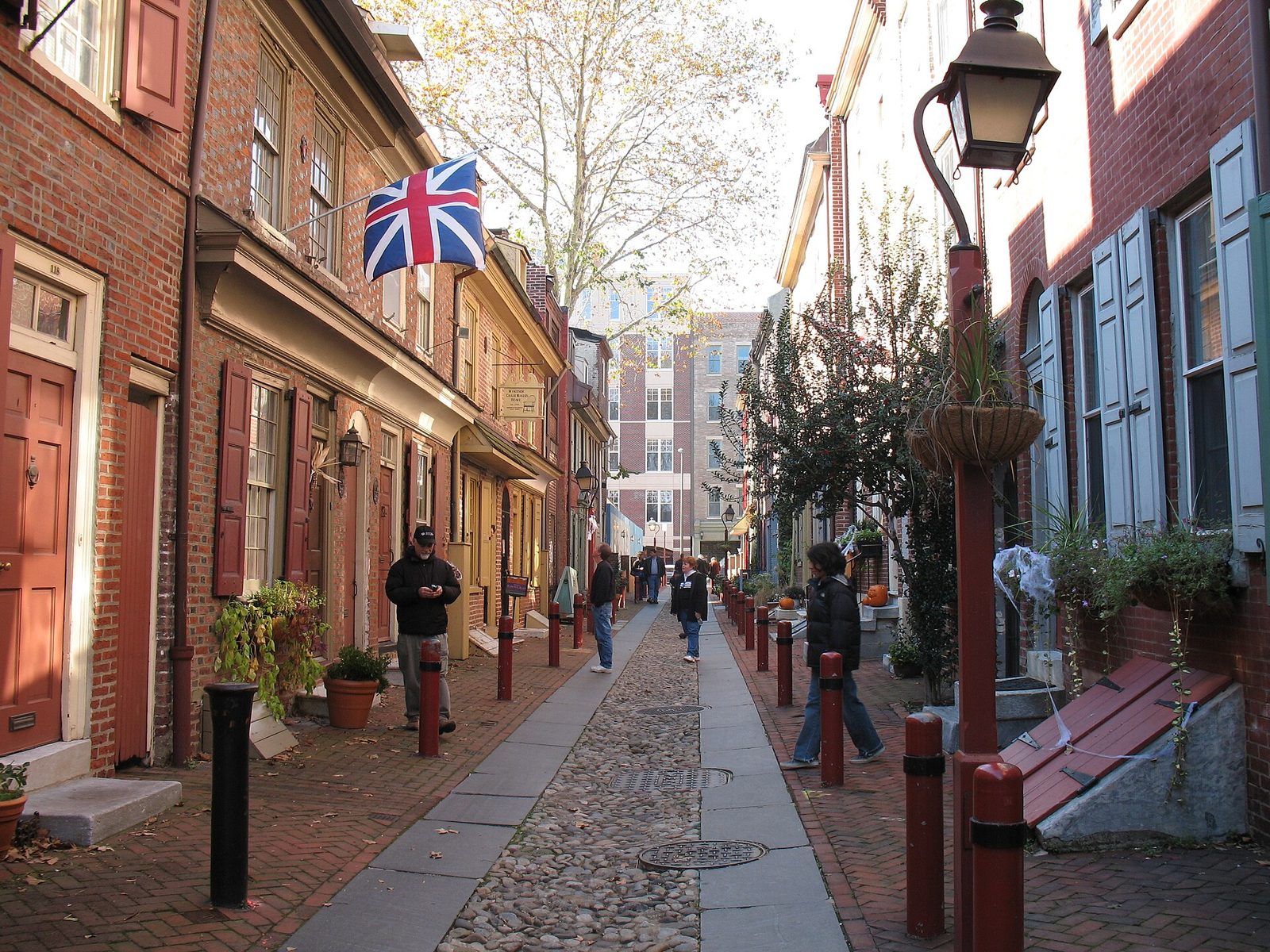
Location is the Betsy Ross House's secret weapon. It sits on Arch Street between 2nd and 3rd, which puts you barely a minute's walk from Elfreth's Alley, the oldest continuously inhabited residential street in the country. Do the two together: tour the flag-maker's house, then wander the cobblestones right around the corner. Our complete guide to Elfreth's Alley covers the little museum house and the best time to catch the light. From here you're also a short stroll from Christ Church, Franklin Court, and the rest of the district, all mapped in our walkable guide to Old City's historic sites.
Making It Part of Your Independence Hall Day
Because the visit is short, the Betsy Ross House slots neatly into a full day in the Historic District without eating up your morning. The smart move is to handle the timed, reservation-only sites first, then let flexible stops like this one fill the afternoon. If you'd rather lock in a guaranteed morning entry to Independence Hall instead of chasing scarce same-day slots, our reserved Independence Hall and Liberty Bell ticket bundles a timed entry, a ranger-led tour, an illustrated walking map, and a Founding Fathers guidebook for $29.99. For the full hour-by-hour plan that ends on these Old City cobblestones, see our one-day Historic District itinerary. If you do one thing at the Betsy Ross House, sit for a minute in the courtyard and think about how a single family's story became part of the national flag, then walk next door and let Old City do the rest.
Frequently asked questions
Did Betsy Ross really sew the first American flag?+
Is the Betsy Ross House free to visit?+
How long does it take to tour the Betsy Ross House?+
Is Betsy Ross buried at the Betsy Ross House?+
Book this experience
Stand where it happened.
Reserved Independence Hall entry, a ranger-led Assembly Room tour, the Liberty Bell and a self-guided map to 25+ historic sites — book online with instant confirmation.
Book Independence Hall tickets →