A step-by-step walk-through of an Independence Hall tour, from security screening to the Rising Sun chair in the Assembly Room where independence was born.
People come to Independence Hall expecting a museum and find something quieter instead: a mostly empty 18th-century room where two of the most important documents in modern history were argued into being. An Independence Hall tour is short, about 20 minutes of ranger-led time inside the building, and the walls are bare, the furniture sparse. What makes it land is standing on the actual floor where the Declaration of Independence was debated in July 1776 and the Constitution drafted in 1787, while a National Park Service ranger tells you what happened in that space. Here is exactly what to expect, step by step.
First: Security Screening
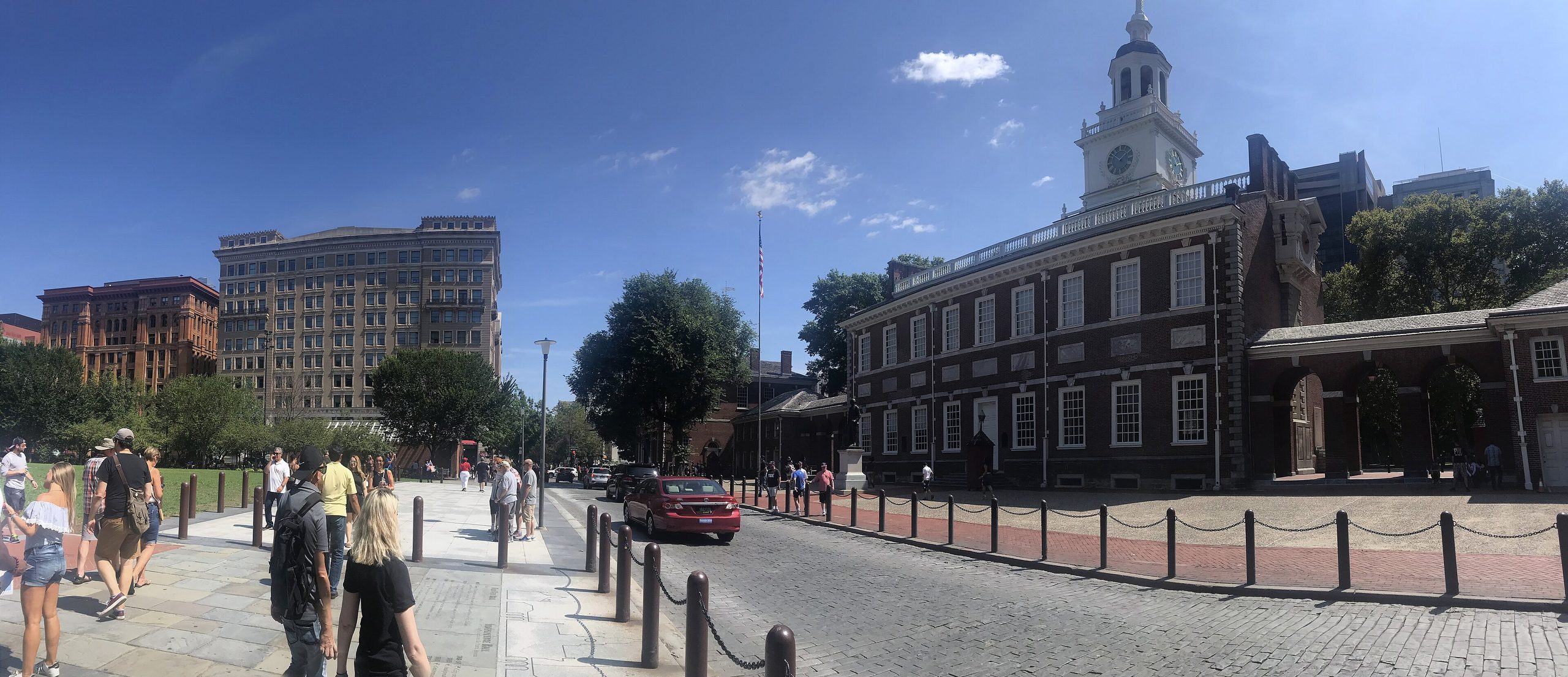
Before you get anywhere near the Assembly Room, you pass through an airport-style security checkpoint. It's run by the National Park Service and it's mandatory for every visitor, ticketed or not. Expect to empty your pockets, send bags through a scanner, and walk through a metal detector. Large bags, sharp objects, and outside food can get flagged, so travel light. The screening building sits just south of Independence Hall on Chestnut Street, and in peak season this line is often the longest part of your morning, one more reason to arrive early. If you're still sorting out entry, our guide on how to get Independence Hall tickets covers timed passes versus reserved options.
The Courtyard Wait
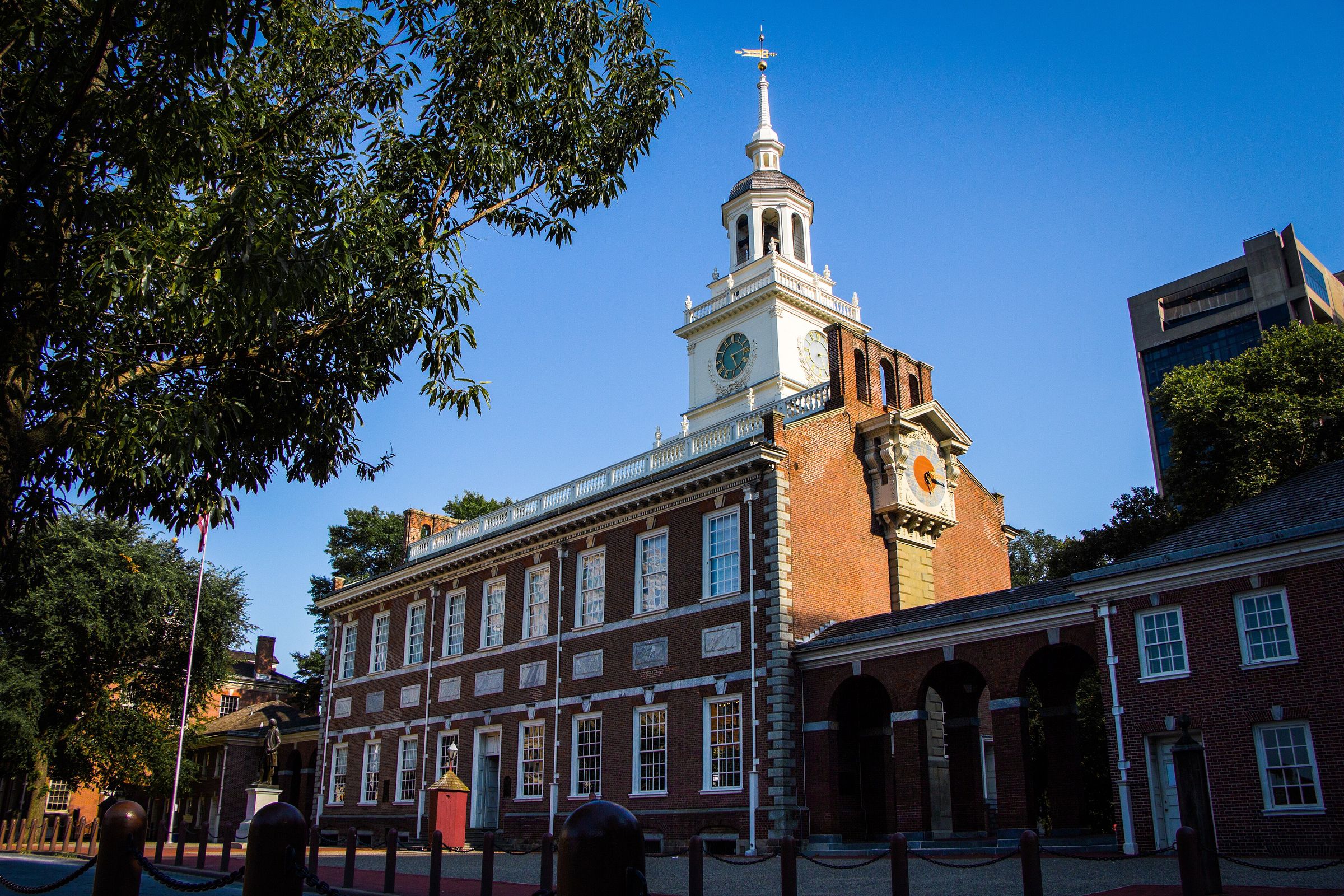
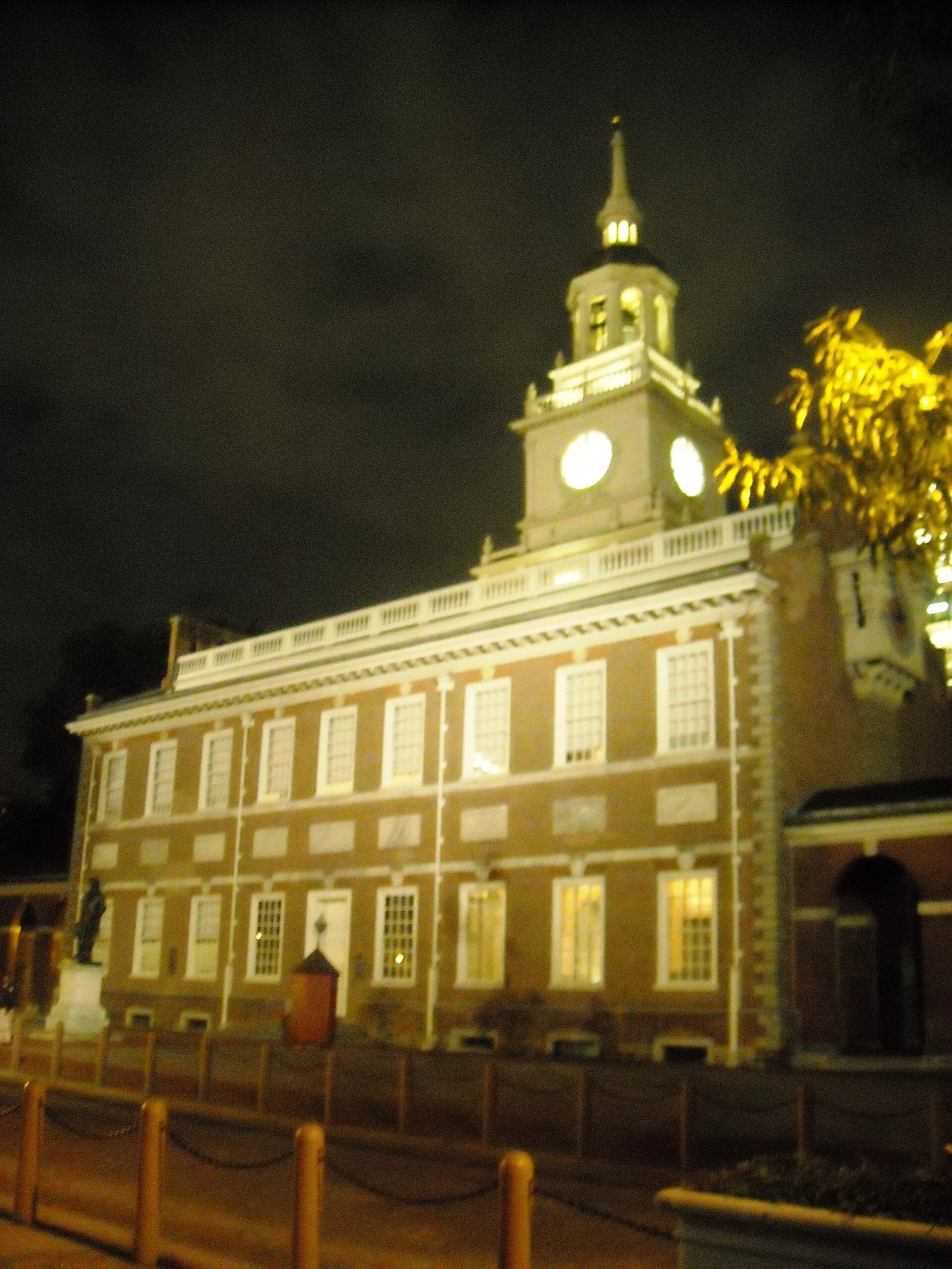
After security you gather in the courtyard behind Independence Hall and wait for your tour time to be called. Entry is strictly by timed group, so even with a ticket you'll stand outside until a ranger opens the door for your slot. It's a good moment to look up at the building: the red brick, the white steeple, the clock. Bring water in summer, since the courtyard offers little shade and Philadelphia Julys are hot and humid. If you booked a reserved Independence Hall ticket, your entry time is locked in, so you're waiting for the clock rather than hoping a same-day slot opens up.
Stepping Into the Assembly Room
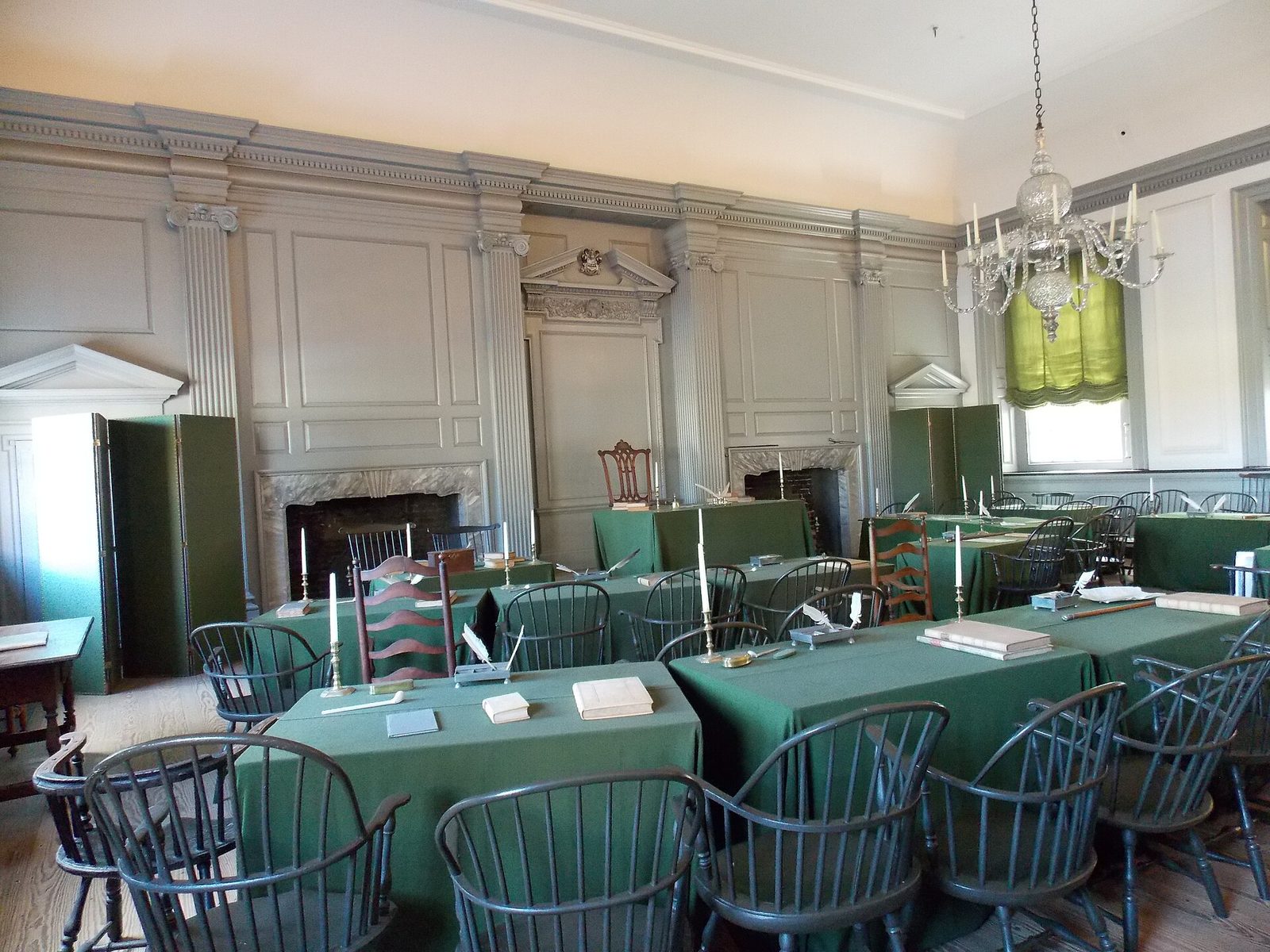
A ranger unlocks the door and leads your group inside, and this is the heart of the visit. The Assembly Room is where the Second Continental Congress adopted the Declaration of Independence and where, eleven years later, the Constitutional Convention drafted the U.S. Constitution behind closed windows in the summer heat. The room is arranged much as it was: green baize-covered tables for the delegates, simple wooden chairs, and at the front the tall chair George Washington used while presiding over the 1787 convention. Benjamin Franklin famously wondered whether the sun carved into its crest was rising or setting on the new nation, which is why it's called the Rising Sun chair. A silver inkstand on the table is believed to be the one used for signing. You're seeing a careful restoration, but standing there while the ranger explains who sat where is genuinely powerful. For the deeper story of what happened at those tables, see where the Declaration of Independence was signed.
The Courtroom Next Door
Most tours also step into the adjacent room on the east side of the ground floor: a restored 18th-century courtroom that served Pennsylvania's colonial and early state government. It's a striking contrast to the plain Assembly Room, with a prisoner's dock along one side. Rangers use it to explain how radical it was to put a citizen's court in the same building where a new nation was declared. The stop fills in the picture of Independence Hall as a working government building, not a monument built after the fact.
How Long It Takes and What You'll See
Plan for the ranger-led portion inside the building to run about 20 minutes. It moves at a steady clip because another group is usually waiting. Add your security and courtyard time, and the whole Independence Hall experience is often 45 minutes to an hour door to door. This is a guided visit of a small historic space, not a wander-at-your-own-pace museum, so the ranger's storytelling is the main event. To see how Independence Hall fits alongside the city's other landmark, our Independence Hall vs. the Liberty Bell breakdown is a helpful primer.
Photography, Accessibility, and Comfort
You can take photos inside, and most visitors do, but flash and tripods are discouraged and you'll be asked not to touch the furniture or lean over the ropes. The building is historic, so expect period lighting rather than bright museum glare, which means your phone photos may come out dim. On accessibility: Independence Hall has a ramped entrance and the ground-floor Assembly Room and courtroom are wheelchair accessible, though the upper floor is reached by a historic staircase. Rangers can advise on the best route if you have mobility needs. Wear comfortable shoes; between the walk from transit, the courtyard, and the rest of the Historic District, you'll be on your feet.
Setting Honest Expectations
Here's the straight version: if you arrive expecting a lavish, artifact-packed museum, the room may feel underwhelming for the first thirty seconds. Then the ranger starts talking, and the emptiness becomes the point. You're standing where fifty-six men signed their names to treason against a king, where a fractious convention invented a form of government that's still running. The power is in the story and the place, not in gold-framed exhibits. The nearby Liberty Bell adds the visual icon most people picture, and you can pair the two easily; our Liberty Bell visitor guide covers that side. If you do one thing in Philadelphia's Historic District, make it this room, and let the ranger do the rest.
Frequently asked questions
How long is the Independence Hall tour?+
Can you take photos inside Independence Hall?+
What can you see inside the Assembly Room?+
Is Independence Hall wheelchair accessible?+
Book this experience
Stand where it happened.
Reserved Independence Hall entry, a ranger-led Assembly Room tour, the Liberty Bell and a self-guided map to 25+ historic sites — book online with instant confirmation.
Book Independence Hall tickets →